

When winter sets in, every investment property gets tested. Frozen pipes, drafty windows, and sudden furnace failures can quickly turn routine maintenance into expensive emergencies. For landlords, those risks multiply across every unit they manage — and they’re entirely preventable with the right preparation.
Property managers like MetroWest Property Management emphasize that winter readiness isn’t just about comfort; it’s about protecting your asset and your tenant experience. The most successful owners take a systems-first approach — inspecting heating, sealing envelopes, and planning for interruptions well before the first freeze.
 Takeaways
Winter prep for rental properties = protection + prevention.
- Inspect heating systems early.
- Insulate, seal, and weatherproof.
- Check electrical safety.
- Plan for snow removal and tenant communication.
- Verify insurance and emergency access protocols.
1. Why Winterization Matters for Landlords
Each winter, thousands of rental units suffer preventable damage — frozen pipes, power loss, or carbon monoxide hazards. These are costly not just in repairs, but in tenant turnover and liability.
Think of winter prep as asset preservation: what you spend now saves exponentially later. The ROI on a proper inspection, for example, can exceed 10x in avoided emergency repairs and downtime.
2. Publisher Resource: MetroWest Property Management
MetroWest Property Management specializes in maintaining investment properties through harsh New England winters. Their seasonal readiness programs emphasize:
- Preventive maintenance checklists tailored by property type
- 24/7 emergency coordination with licensed contractors
- Transparent reporting for remote landlords
Even if you manage properties outside their region, their model sets a gold standard for proactive property care.

3. Top Winterization Tips for Rental Properties
Here are the key actions that make a difference — all simple, scalable, and cost-effective.
- Inspect HVAC systems early. Have a licensed professional service furnaces before November. Replace filters quarterly.
- Insulate exposed pipes. Especially in basements, crawlspaces, and exterior walls. Pipe sleeves or heat tape can prevent freeze damage.
- Weatherproof doors and windows. Use caulk, foam, or weatherstripping to cut drafts and energy costs.
- Check smoke and CO detectors. Replace batteries and verify placement per code.
- Drain outdoor faucets and irrigation lines. Prevent burst pipes by shutting off outdoor water and draining hoses.
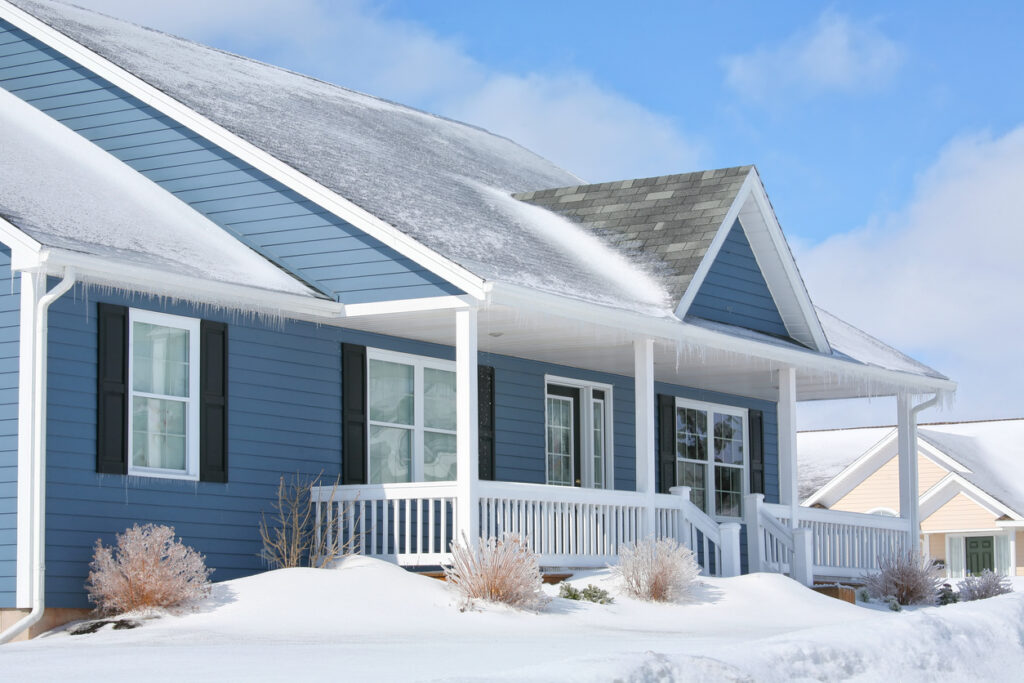
- Clear gutters and downspouts. Ice dams form when gutters are clogged — a common cause of interior leaks.
- Set thermostats for safety. Encourage tenants not to let indoor temperatures drop below 55°F, even if away.
4. Electrical Safety: Preventing Power Outages
Winter storms can strain electrical systems. To prevent outages and hazards, inspect your property’s electrical integrity before the first frost.
Have a certified electrician check wiring, outlets, and circuit breakers for wear, corrosion, or overload risks. This reduces the chance of blown fuses or electrical fires in extreme cold. Before tackling any electrical project, choose top-quality components from trusted suppliers of electrical wholesale products, ensuring durability and code compliance.
5. How-To Checklist: Winter-Ready Property in 7 Steps
| Step | Action | Timing | Responsible Party | Notes |
| 1 | Schedule furnace/HVAC inspection | Early fall | Owner or PM | Include filter change |
| 2 | Insulate water pipes & crawlspaces | Before first freeze | Maintenance crew | Use foam sleeves or heat tape |
| 3 | Seal air leaks around doors/windows | Fall | Handyman | Apply caulk or weatherstripping |
| 4 | Clean gutters & downspouts | Late fall | Maintenance crew | Prevent ice damming |
| 5 | Test sump pumps & floor drains | Late fall | Owner/tenant | Avoid flooding from meltwater |
| 6 | Verify smoke & CO detectors | Every fall | Owner | Replace batteries annually |
| 7 | Prepare snow & ice removal plan | Before snowfall | Owner/tenant | Define responsibilities clearly |
6. Product Spotlight: Smart Thermostat for Rentals
Consider installing smart thermostats in your rental units — they help tenants save energy while you monitor temperature remotely to avoid freeze damage.
Models like the Google Nest Learning Thermostat or Honeywell Home T9 adapt to occupant patterns, reducing energy waste by up to 20%.
7. Tenant Communication and Emergency Planning
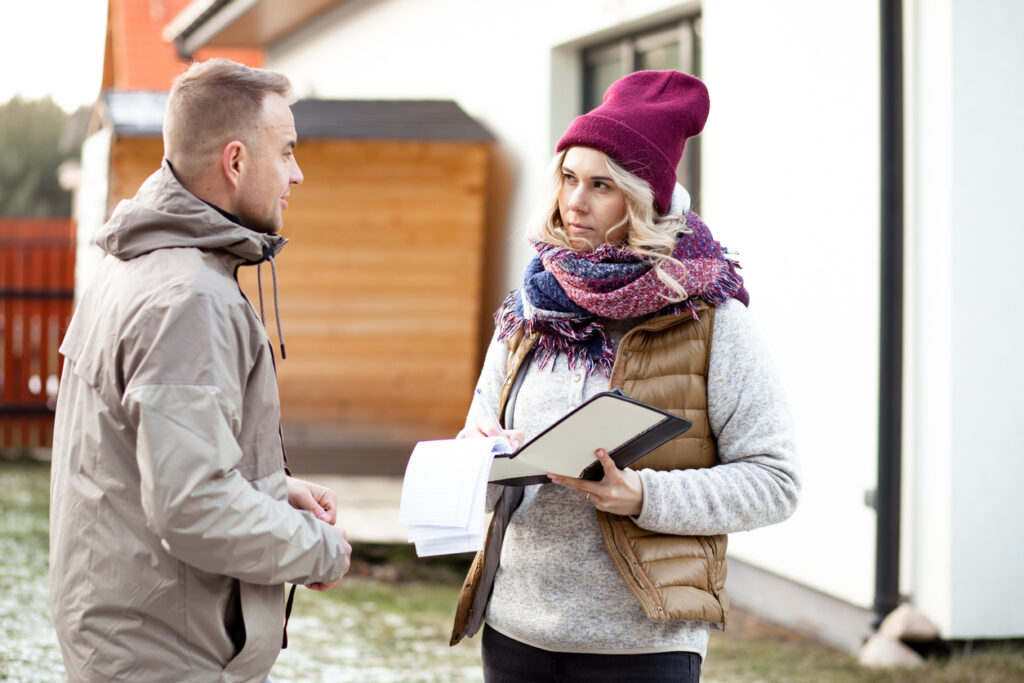
- Send a winter reminder email covering: thermostat settings, snow removal duties, and emergency contacts.
- Provide an emergency contact card — HVAC, plumbing, and property manager numbers should be clear.
- Store supplies onsite: salt, shovels, and flashlights.
- Keep an after-hours repair protocol. If pipes burst or heating fails, tenants should know exactly whom to call.
For property managers overseeing multiple rentals, templates for winter tenant communications are available at:
FAQ
Should I let tenants adjust the thermostat freely?
Yes, but set clear minimums. Prevent frozen pipes by ensuring heat never drops below 55°F. Smart thermostats can help enforce this automatically.
How often should HVAC be serviced?
Once per year minimum — ideally every fall before heating demand spikes.
Who is responsible for snow removal?
It depends on lease terms. Typically, landlords handle driveways and walkways for multi-unit properties; single-family tenants often handle their own.
What’s the ideal water heater temperature in winter?
120°F to balance comfort, energy efficiency, and safety.
8. Glossary
- Winterization: The process of preparing property systems for freezing conditions.
- Ice Dam: A ridge of ice that prevents melting snow from draining, causing leaks.
- HVAC: Heating, ventilation, and air conditioning system.
- Tenant Scope: The division of maintenance responsibility between owner and occupant.
- Sump Pump: Device used to remove accumulated water from basements or crawl spaces.
Conclusion
Winter property readiness is less about the weather — and more about reliability. For landlords, the best protection is preparation.
By inspecting systems early, securing trusted electrical and plumbing components, and maintaining open tenant communication, you protect your investment, reputation, and revenue stream. A well-prepared property is one that stays safe, efficient, and occupied — all winter long.
This content is provided for general informational and educational purposes only and does not constitute financial, legal, tax, or investment advice. Readers should consult with licensed professionals regarding their specific circumstances.
We are pledged to the letter and spirit of U.S. policy for the achievement of equal housing opportunity throughout the Nation. See Equal Housing Opportunity Statement for more information.
