

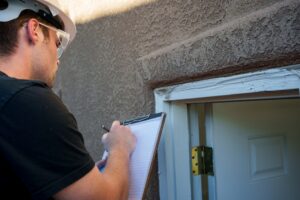
 A property walkthrough serves as a critical strategy for any rental property investor. Still, it only delivers results when you recognize what to examine. When completed properly, a walkthrough can expose minor warning signs of future problems. Following an investment walkthrough checklist allows you to detect property maintenance red flags early and help investors control costs, preserve returns, and minimize unexpected issues after closing.
Why Every Investor Needs an Investment Walkthrough Checklist
For many investors, walkthroughs can feel like just another step in the process; something to finish rather than leverage. However, a property walkthrough is a critical defense against hidden repair costs. That’s why it’s important to utilize or build a detailed property walkthrough checklist each time you assess an investment property.
A reliable investment walkthrough checklist helps you:
- Detect small problems before they worsen
- Differentiate cosmetic imperfections from serious defects
- Make educated decisions about repairs, pricing, or negotiations
When completed properly, property walkthroughs help prevent disruptions to cash flow and protect the integrity of a long-term asset.
Key Property Maintenance Red Flags
During a property walkthrough, one of the most important things to look for is maintenance red flags. These early warning signs can indicate larger issues hidden from plain view.
While some wear and tear is standard, especially in older properties, specific maintenance red flags might point to problems that may become expensive repairs or minor issues that could worsen rapidly if ignored.
The challenge is recognizing minor cosmetic issues, like scuffed walls or worn flooring, versus serious structural or system issues such as leaky plumbing or outdated electrical components. Investors who learn to spot the important red flags early will have a clear advantage in their decision-making.
Here’s a closer look at key maintenance red flags that may signal bigger concerns.
Exterior Property Maintenance Red Flags
- Roofing, Gutters, and Drainage Issues: Shingles that are curling or missing, sagging gutters, and pooling water near the foundation are serious red flags. Poor drainage frequently leads to roof leaks, moisture intrusion, and foundation damage.
- Foundation and Exterior Cracks: While minor hairline cracks are normal, large, uneven, or expanding cracks can signal settling or structural movement. These problems can be costly to repair.
- Siding, Paint, and Moisture Exposure: Peeling paint, warped siding, or mildew growth typically point to moisture problems, which may lead to rot, mold, and the accelerated deterioration of the exterior.
Interior Maintenance Red Flags
- Water Stains, Odors, and Moisture Clues: Yellowed ceilings, bubbling paint, or damp odors often signal active or past leaks. Moisture-related issues, if ignored, can lead to higher repair costs.
- Flooring Wear That Signals Bigger Problems: Soft spots, sagging floors, or excessive wear in unusual areas may indicate subfloor damage, moisture issues, or other structural concerns.
- Doors, Windows, and Structural Alignment Issues: Doors that stick or windows that fail to close properly can point to shifting foundations or framing issues, rather than minor inconveniences.
Mechanical and System Red Flags
- HVAC Warning Signs: Inconsistent temperatures, unusual sounds, or old, worn-out units can signal impending replacement costs. HVAC systems rank as some of the most expensive maintenance items for investors.
- Plumbing Red Flags: Signs such as slow drains, rusted pipes, low water pressure, or evidence of past leaks under sinks often reveal underlying plumbing issues.
- Electrical Concerns: Exposed wiring, flickering lights, overloaded outlets, or outdated electrical panels are serious safety and compliance issues that require immediate attention.
How Property Maintenance Red Flags Affect Investment Returns
Ignoring red flags can be expensive, often costing more in the long run. Some minor maintenance issues may be deferred, but others demand urgent attention. Investors must know the difference to avoid situations where small problems escalate into:
- Emergency repair costs
- Tenant turnover and vacant units
- Insurance claims and higher premiums
- Declining net operating income
Proactive detection during walkthroughs is essential for protecting both immediate cash flow and long-term investment returns.
Turning Your Walkthrough Into a Smart Investment Tool
Consistently performing effective walkthroughs takes time and careful observation. During each walkthrough, document your findings, snap photos, and address any issues promptly. Property walkthroughs, when approached strategically, can become a data-driven process that informs smart investment and budgeting decisions. Utilizing an investment walkthrough checklist and spotting property maintenance red flags enables investors to avoid costly repairs and maintain long-term returns.
Avoid letting hidden maintenance red flags eat into your returns. Real Property Management Metro Detroit property management experts in Warren conduct comprehensive property walkthroughs that detect potential problems early, protecting your cash flow and long-term value. Contact us online or dial 248-808-6550 for a professional rental assessment.
This content is provided for general informational and educational purposes only and does not constitute financial, legal, tax, or investment advice. Readers should consult with licensed professionals regarding their specific circumstances.
We are pledged to the letter and spirit of U.S. policy for the achievement of equal housing opportunity throughout the Nation. See Equal Housing Opportunity Statement for more information.
